Blog Planning
How to plan your week in 15 minutes: a calm Sunday reset
A 15-minute Sunday reset to plan your week on paper: empty your head, look back, fix appointments, pick three priorities and match them to your energy.

Sunday afternoon is a kind of doorway: rest on one side, Monday on the other. Plenty of us spend those hours with the "Sunday scaries", running through the coming week in our heads. There's a kinder way: sit down for fifteen minutes with a pen and move the week out of your head and onto paper.
Why Sunday (or early Monday)
- It's a hinge. Planning at the end of your rest means you start Monday knowing where you're going, rather than finding out from your inbox.
- It quietens the mind. Psychologists E. J. Masicampo and Roy Baumeister (2011) found that making a concrete plan for unfinished tasks reduces the thoughts that keep circling back. I go into it in more detail in the end-of-day ritual.
- Fifteen minutes is enough. If it turns into an hour, you'll stop doing it.
If Sunday is sacred to you, do it first thing on Monday with a cuppa. What matters is that it's always the same moment.
The 15 minutes, step by step
1. Empty your head (3 minutes). On a sheet of paper or in the notes column, write down everything on your mind: tasks, errands, calls, worries. No order, no judgement. Once it's written down, it doesn't have to keep going round.
2. Look back at last week (2 minutes). This is David Allen's "weekly review" from Getting Things Done (2001), in its short version. Three questions: what did I do? What's half-finished? What moves to this week?
3. Fixed things first (3 minutes). Appointments, meetings, deadlines, classes, the dentist, birthdays. What can't move goes in first, with its time. That way you see the real space left.
4. Three big rocks (3 minutes). Stephen Covey used to tell the story of a jar: fill it with sand first and the big rocks won't fit; put the rocks in first and the sand settles around them. Choose three priorities for the week, the ones that truly matter. Not ten.
5. One per day (2 minutes). Give each priority a day and, if you can, a time. A priority without a slot in your diary is only a wish. If you like working in blocks, I explain how in time blocking on paper.
6. Check your energy (2 minutes). Any late nights coming up? What phase is the moon in? Where are you in your cycle? Put the demanding things where there'll be energy and the gentle ones where there won't. This week, for example, the first quarter moon arrives on Tuesday 17th: a good phase for moving things forward. All the year's dates are in the lunar calendar, and how to read your cycle is in your inner seasons.
What it might look like
| Day | Fixed | The priority | Energy |
|---|---|---|---|
| Monday | meeting 10:00 | finish the report | good after the weekend |
| Tuesday | dentist 17:30 | prepare the presentation | first quarter moon |
| Wednesday | — | two-minute replan | medium |
| Thursday | yoga class 19:00 | ring Mum | — |
| Friday | deadline 14:00 | nothing new: close what's open | low: free afternoon |
| Weekend | family lunch | properly rest | — |
Notice Friday: not every day needs a new priority. Some days are for finishing.
The home reset (optional)
If you have twenty minutes and the will, a Sunday reset makes Monday start lighter:
- The kitchen tidied and the sink empty.
- A wash on and Monday's clothes laid out.
- Two lunches or dinners planned (or made).
- Your writing table cleared.
- This week's habits ready to tick: if you keep a tracker, see how to use a habit tracker.
When the week goes sideways
It will: a child with a temperature, an urgent job, a day with no energy at all. That's what two minutes on Wednesday are for: look at your three big rocks and decide what moves, what stays and what goes. Moving a task isn't failing; it's planning with the real week, not the one you imagined on Sunday.
What you don't need
- A colour-coding system.
- A plan for every half-hour.
- Perfection. A half-planned week beats an unplanned one.
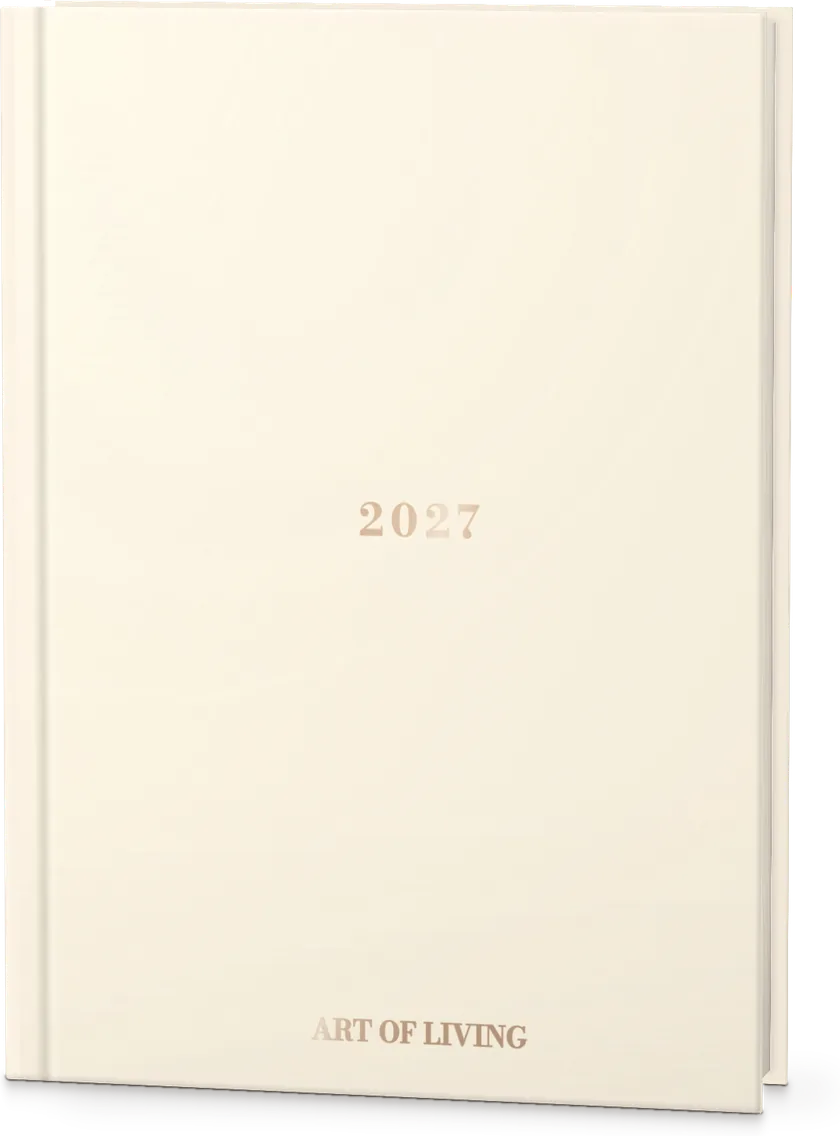
This ritual is the weekly version of what I suggested for the whole year in how to plan 2027. I do it in my journal, where each week sits across a double page with the hours from 6 to 23 and a notes column: that's where the head-emptying of step one goes.
Keep reading

Winter blues: how to look after your mood in the dark months (what the science says)
Why winter weighs on your mood, when the winter blues mean it's time to see your GP, ten simple habits that help and how to observe yourself for two weeks.
Read
Secret Santa gift ideas: 15 small, thoughtful gifts (that won't end up in a drawer)
Secret Santa ideas under £10, £20 and £30, gifts that arrive in time even if the swap is tomorrow, and simple wrapping: 15 small gifts people actually use.
Read