Blog Science
What science knows about writing by hand (and why your brain thanks you for it)
Writing by hand engages more of the brain, helps you remember and, according to several studies, helps you feel better. What the research says and how to use it in five minutes a day.
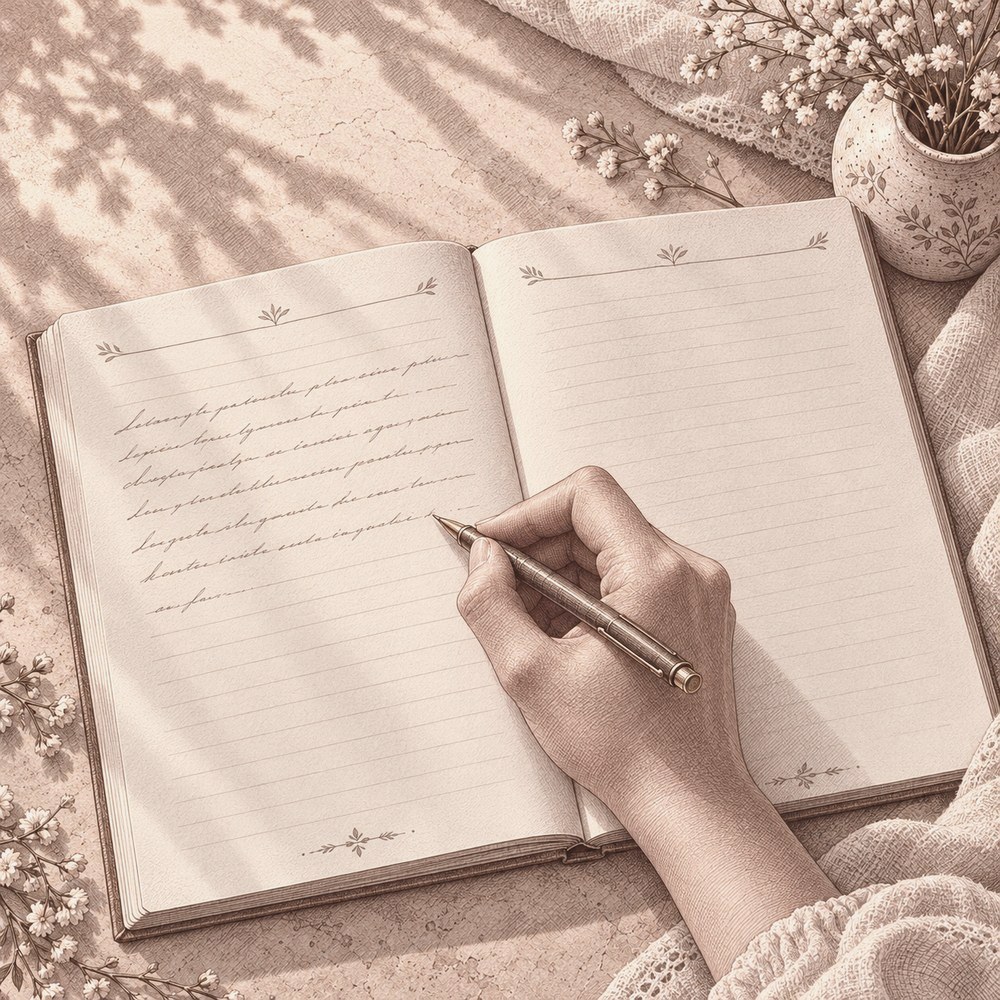
We live with our phones in our hands and yet more and more people are coming back to paper. It isn't nostalgia: research has been showing for years that writing by hand does things in the brain that typing doesn't.
1. Your brain lights up more
In 2024, a team at the Norwegian University of Science and Technology used EEG to measure the brain activity of students while they wrote by hand or typed. When writing by hand, areas of the brain connected with each other far more, especially those linked to memory and learning.
The reason seems simple: when you write, each letter is a different, fine movement of the hand. When you type, every letter is the same gesture: a press.
2. You remember what you write better
A much-cited study from Princeton and UCLA (Mueller and Oppenheimer, 2014) compared students taking notes by hand or on a laptop. The laptop group wrote more, but the paper group understood and remembered the ideas better. Since you can't copy everything down, the brain has to summarise, choose and understand.
That's why an intention handwritten in your journal stays with you more than a note on your phone.
3. Writing what you feel feels good
Since the 1980s, the psychologist James Pennebaker has studied what's called expressive writing: writing for a few minutes about what worries you or has hurt you. In many of his studies, people who wrote like this for a few days in a row felt better, slept better and even went to the doctor less in the months that followed.
4. Gratitude on paper changes your mood
The psychologists Robert Emmons and Michael McCullough asked a group of people to note down each week things they were grateful for. After a few weeks, they felt more optimistic and more satisfied with their lives than those who noted down their problems or simply what had happened to them.
How to use it in five minutes a day
- In the morning, two lines: how you're waking up and one intention for today.
- In the evening, two lines: one thing you're grateful for and one you're letting go of.
- Once a week, ten minutes of free writing: whatever is on your mind, without correcting.
- With pen and paper, never on your phone: that's where the magic is.
That's why, when I designed Anahata Sunrise, I gave every day its own page (Saturday and Sunday share one).
Keep reading
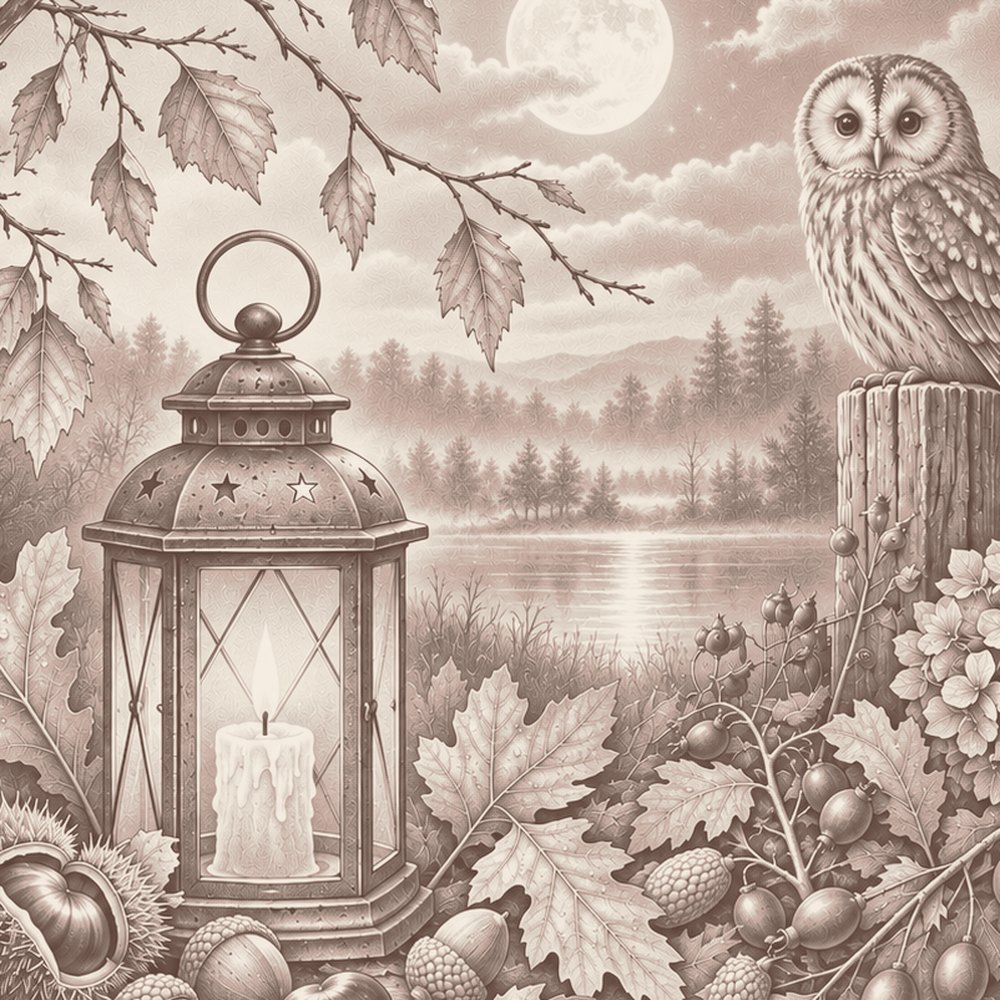
Samhain: the Celtic night that gave birth to Halloween
What Samhain is, where it comes from, how long it lasts and the energy it brings: the Celtic festival that closes the year, opens the dark half and honours the ancestors.
Read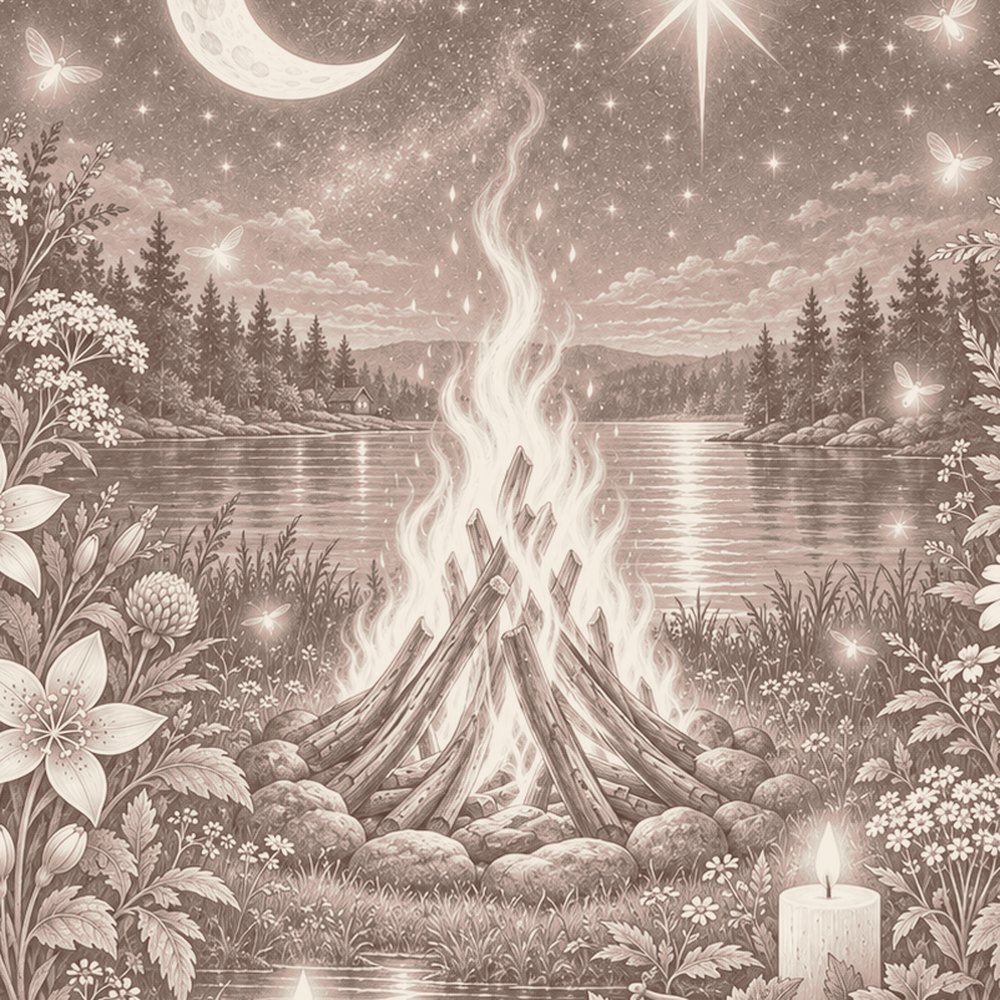
The wheel of the year: the 8 seasonal festivals and their dates in 2027
What Imbolc, Ostara, Beltane, Litha, Lammas, Mabon, Samhain and Yule are, when they fall in 2027, and one simple gesture to mark each one.
Read