
Blog Body
Ayurveda and the seasons: how to care for your body through the year
Vata, pitta and kapha: the three doshas of ayurveda and how they shift with the seasons. What to eat, how to move and how to rest at each time of year.
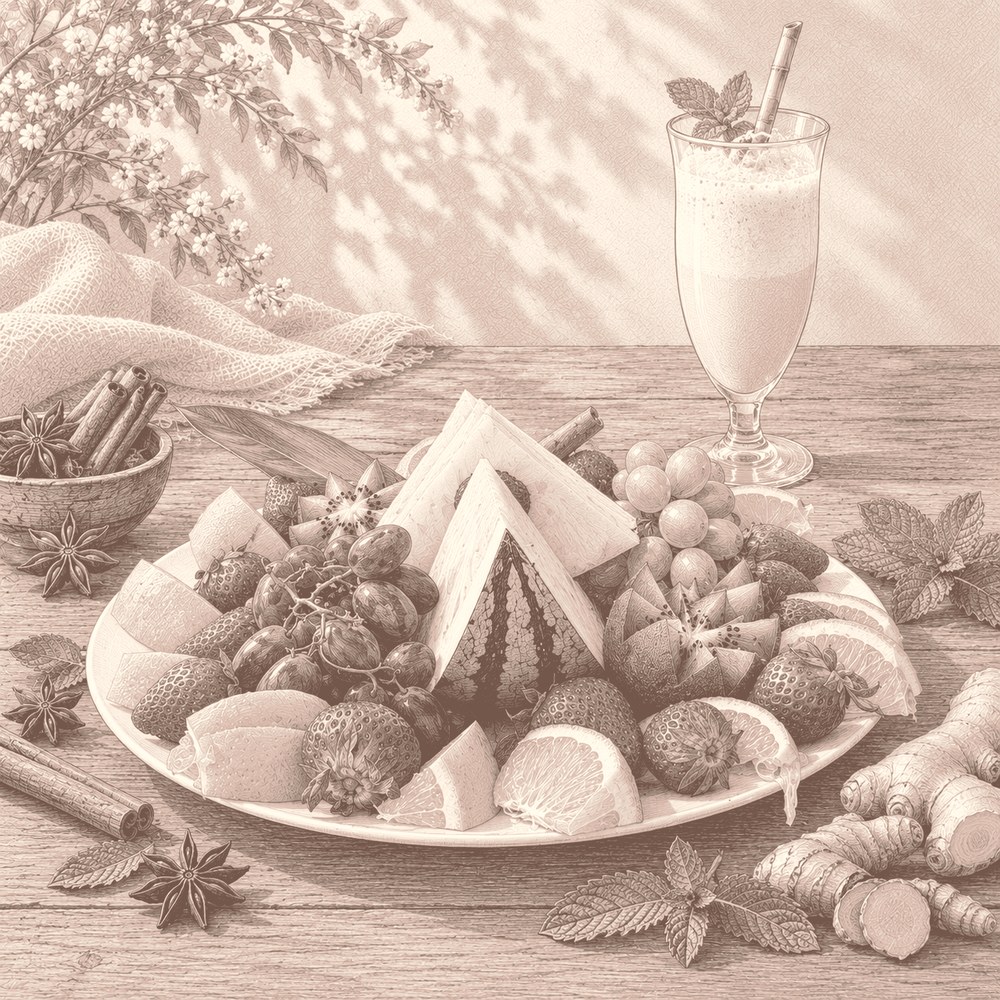
Ayurveda, India's traditional medicine and the sister of yoga, has been saying something for more than three thousand years that sounds new again today: we aren't the same all year round. What suits you in July may not suit you in January.
The three doshas
According to ayurveda, everything, our bodies included, is made of five elements that combine into three energies or doshas:
- Vata (air and ether): movement, lightness, creativity. When out of balance: nerves, cold, dry skin, insomnia.
- Pitta (fire and water): heat, digestion, determination. In excess: irritation, inflammation, haste.
- Kapha (earth and water): stability, calm, strength. In excess: heaviness, tiredness, attachment.
Each person has their own mix, but each season also has its dosha, and it affects us all.
The year according to ayurveda
| Season | Ruling dosha | What it asks for |
|---|---|---|
| Autumn and early winter | Vata (cold, wind, dryness) | Warmth, routine, cooked meals, oil on the skin, early nights |
| Late winter and spring | Kapha (damp, heaviness) | Movement, light and spiced meals, early rising, cleaning the house |
| Summer | Pitta (heat, intensity) | Coolness, fruit, coconut water, swimming, less competing |
Small gestures for each season
In winter (vata): a cup of hot water on waking, soups and stews, self-massage with sesame oil before showering, regular hours.
In spring (kapha): ginger and turmeric, brisk walks, rising with the sun, less dairy and fewer sweets.
In summer (pitta): eat in the shade, cucumber and mint, swims in the sea or a river, gentle rather than intense yoga, no forcing.
Ayurveda is a tradition, not a substitute for your doctor. If you have a health condition, check with a professional before changing your diet.
Listening to your body
The key to ayurveda is observing: how you sleep, how you digest, how your skin and your mood are. That's why in my journal each month has a body-awareness table and a habit tracker: after a few months you start to see your own seasons.
Keep reading
Winter blues: how to look after your mood in the dark months (what the science says)
Why winter weighs on your mood, when the winter blues mean it's time to see your GP, ten simple habits that help and how to observe yourself for two weeks.
Read
Secret Santa gift ideas: 15 small, thoughtful gifts (that won't end up in a drawer)
Secret Santa ideas under £10, £20 and £30, gifts that arrive in time even if the swap is tomorrow, and simple wrapping: 15 small gifts people actually use.
Read